
Driving During Nigeria’s Heavy Rain and Flood Season has become one of the biggest challenges facing motorists in 2026. Across cities such as Lagos, Ibadan, Abuja, Port Harcourt, Benin City, and other parts of the country, persistent rainfall has led to flooded roads, traffic disruptions, poor visibility, and increased road accidents.
The situation has become serious enough that the Nigerian Meteorological Agency (NiMet) has issued fresh advisories warning of widespread rainfall and a heightened risk of flash flooding in Lagos and other coastal states. Reports have also shown that recent downpours disrupted road traffic, affected businesses, and even impacted operations around the Murtala Muhammed International Airport in Lagos. According to Channels
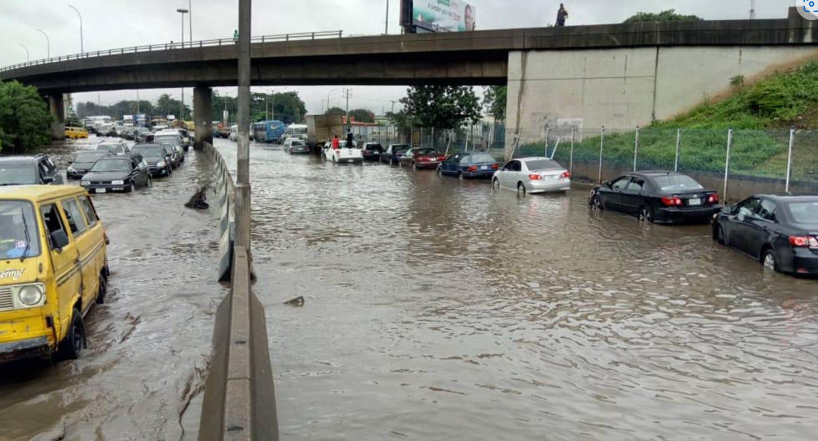
photo: Channelstv
While you cannot control the weather, you can prepare both yourself and your vehicle.
Whether you’re driving to work, taking a family trip, or travelling for business, these practical tips can help keep you safe throughout Nigeria’s rainy season.
Why Driving During Nigeria’s Heavy Rain and Flood Season Is Riskier
Heavy rainfall creates several hazards that many motorists underestimate.
These include:
- Reduced visibility
- Slippery roads
- Flash floods
- Hidden potholes
- Longer braking distances
- Electrical damage
- Engine failure from floodwater
According to NiMet, sustained rainfall is expected across many southern states, increasing the likelihood of localized flooding and dangerous driving conditions.
1. Never Drive Through Floodwater You Cannot Judge
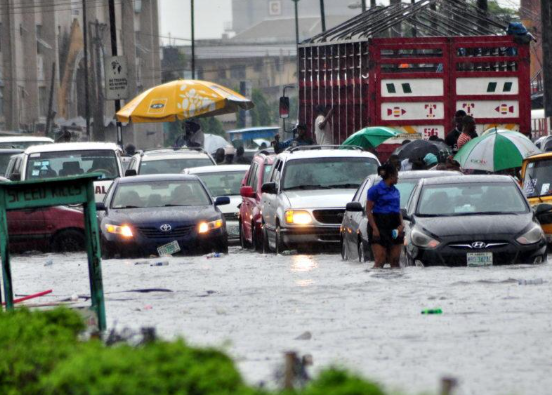
One of the biggest mistakes drivers make is assuming floodwater is shallow.
Floodwater may hide:
- Deep potholes
- Broken asphalt
- Open drainage systems
- Large debris
Even if another vehicle crosses successfully, your car may have a lower ground clearance.
If you cannot determine the depth, turn around.
A few extra minutes could save you from an engine replacement.
2. Reduce Your Speed
Rain significantly reduces tyre grip.
Driving at normal highway speeds during heavy rainfall increases the chances of:
- Hydroplaning
- Skidding
- Loss of steering control
- Longer stopping distances
Always drive according to road conditions rather than the posted speed limit.
3. Increase Your Following Distance
On dry roads, a three-second following distance is often enough.
During heavy rain, increase this to at least five or six seconds.
This provides additional time to react if traffic stops unexpectedly.
4. Check Your Tyres Before Every Journey
Your tyres are your vehicle’s only contact with the road.
Inspect them regularly for:
- Adequate tread depth
- Correct tyre pressure
- Cracks or sidewall damage
- Uneven wear
Worn tyres dramatically increase the risk of skidding on wet roads.
5. Ensure Your Windshield Wipers Work Properly
Clear visibility is essential during heavy rain.
Replace your wiper blades if they:
- Leave streaks
- Skip across the windshield
- Make squeaking noises
- Fail to remove water effectively
Also ensure your windshield washer reservoir is full.
6. Turn On Your Headlights
Heavy rain can reduce visibility even during daylight hours.
Using your headlights helps other road users see you sooner.
Avoid relying only on parking lights.
7. Avoid Sudden Braking
Brake smoothly and progressively.
Sudden braking on wet roads can cause your tyres to lose traction.
If your vehicle has ABS, maintain steady pressure on the brake pedal and allow the system to do its job.
8. Beware of Hydroplaning
Hydroplaning occurs when your tyres ride on a layer of water instead of the road surface.
If this happens:
- Stay calm
- Ease off the accelerator
- Avoid sudden steering movements
- Do not slam on the brakes
Wait until your tyres regain contact with the road before accelerating again.
9. Watch Out for Hidden Potholes
Heavy rain often conceals serious road damage.
Driving through submerged potholes can damage:
- Suspension
- Steering components
- Alloy wheels
- Tyres
Whenever possible, avoid standing water.
10. Protect Your Engine
Driving through deep water can allow water into your engine’s air intake.
This may result in hydrolock, a severe form of engine damage that can require a complete engine rebuild or replacement.
If floodwater reaches above the lower part of your doors, avoid driving through it.
11. Carry an Emergency Kit
Every Nigerian driver should have:
- Reflective warning triangle
- First-aid kit
- Torchlight
- Phone charger
- Jumper cables
- Drinking water
- Raincoat
Being prepared can make a significant difference during emergencies.
12. Schedule a Professional Vehicle Inspection
The rainy season exposes weaknesses that may not be obvious during dry weather.
A professional inspection can identify issues with:
- Brakes
- Suspension
- Steering
- Tyres
- Battery
- Cooling system
- Electrical components
At MyWheels9ja, our comprehensive vehicle inspection service helps identify these issues before they become costly repairs or leave you stranded on the road.
Whether you’re preparing for daily commuting or planning a long-distance journey, an inspection gives you confidence that your vehicle is ready for Nigeria’s rainy season.
Why Vehicle Inspection Is More Important During the Rainy Season
Rain places additional stress on almost every part of your vehicle.
A simple inspection can detect problems before they become dangerous.
At MyWheels9ja, we recommend inspecting your vehicle before long trips and at the beginning of every rainy season.
Our inspection covers:
- Engine health
- Braking system
- Suspension
- Steering
- Battery
- Tyres
- Lights
- Electrical systems
Don’t wait until your vehicle breaks down in the middle of a storm.
Final Thoughts
Recent heavy rainfall across Nigeria has shown how quickly weather conditions can change. NiMet has continued to warn of heavy rainfall and flash-flood risks, particularly in Lagos and other coastal states, making vehicle preparedness more important than ever.
By driving carefully, avoiding flooded roads, maintaining safe distances, and keeping your vehicle in excellent condition, you can greatly reduce the risk of accidents and costly repairs.
The rainy season may be unavoidable—but many vehicle breakdowns are not.
If you’re unsure whether your car is ready for the months ahead, schedule a professional vehicle inspection with MyWheels9ja and drive with confidence.
Frequently Asked Questions
Is it safe to drive through flooded roads in Nigeria?
No. Floodwater can hide deep potholes, open drains, and debris. It can also cause severe engine damage if water enters the air intake.
How do I prepare my car for the rainy season?
Inspect your tyres, brakes, windshield wipers, headlights, battery, cooling system, and suspension. A professional inspection is the best way to identify hidden problems.
Why is vehicle inspection important during the rainy season?
Rainy conditions place extra stress on your vehicle and can expose worn tires, weak brakes, faulty lights, and suspension issues. Identifying these problems early improves safety and reduces repair costs.
What should I do if my car begins to hydroplane?
Ease off the accelerator, avoid sudden braking or steering, and allow your tires to regain traction before continuing.
Comments